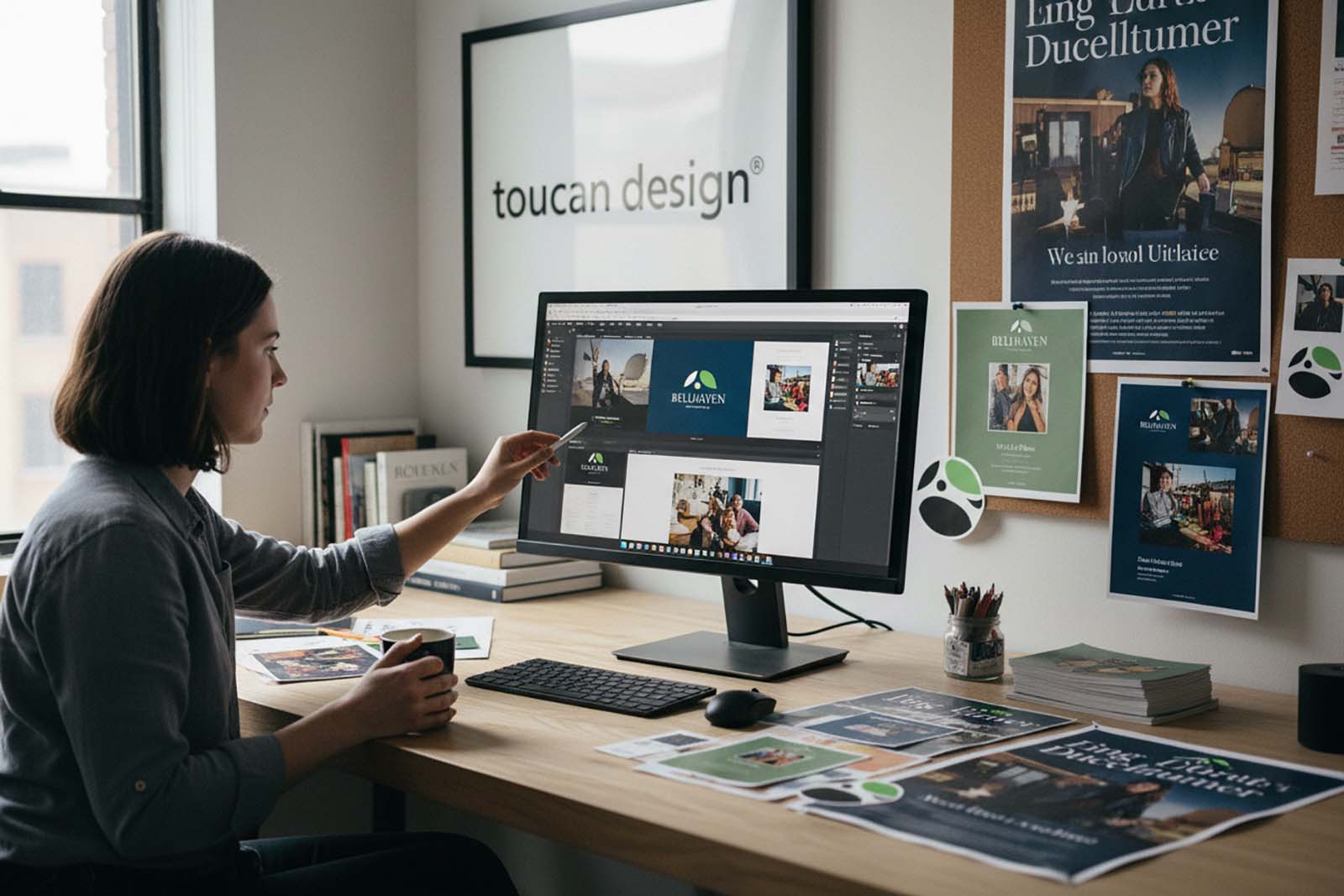
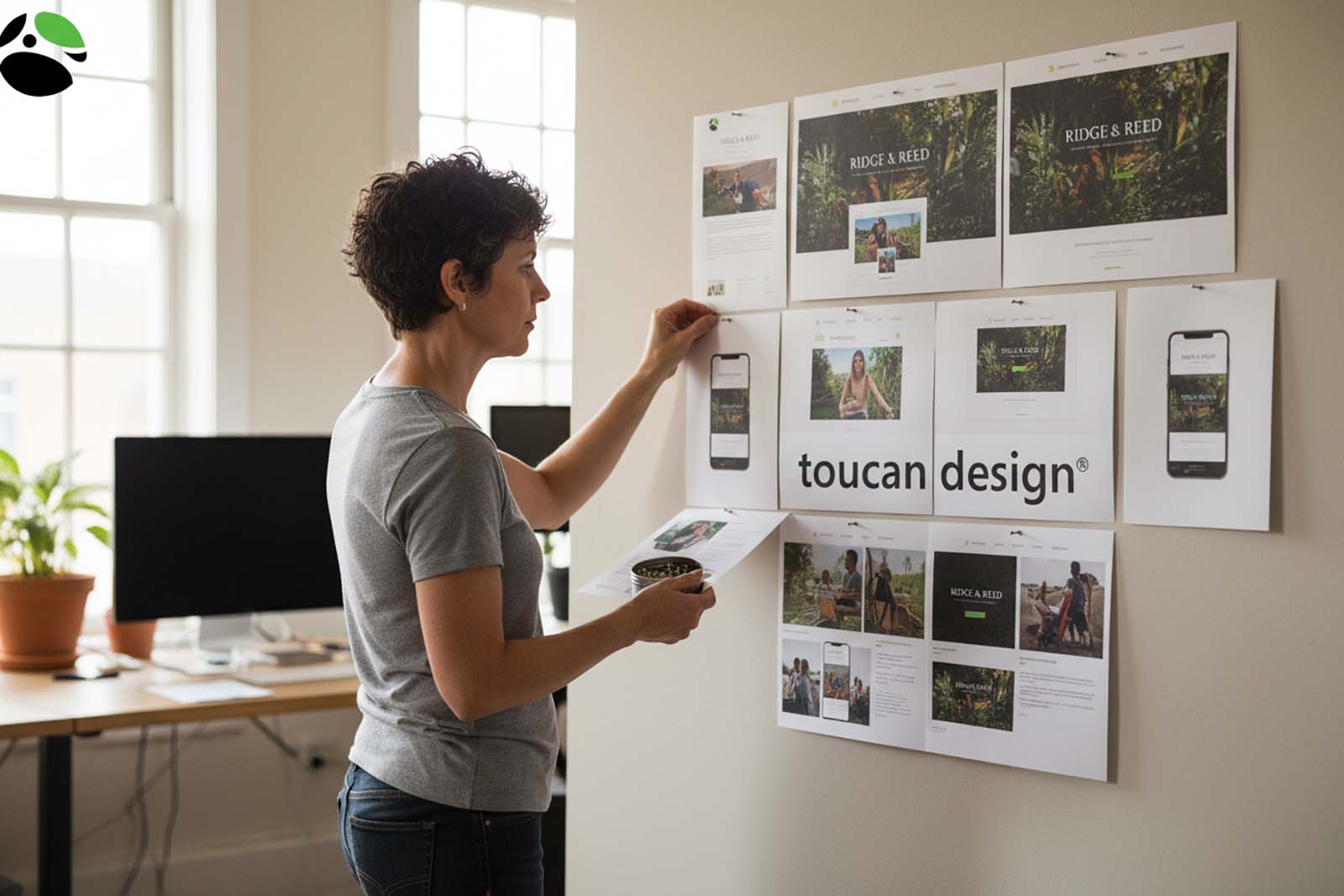
A business can have a good logo and still look unprepared everywhere else. The problem often appears in the gap between a sales presentation, a website, a social post, a proposal, and a printed brochure. Each piece may be acceptable on its own, yet the whole experience feels inconsistent. A capable graphic design agency closes that gap by turning individual marketing pieces into a clear, recognizable business presence.
For organizations that need to earn trust before a conversation even begins, design is not decoration. It helps people understand who you are, what you offer, and why they should take the next step. The best agency relationship is not simply about requesting artwork when a deadline is near. It is about having an experienced creative partner who can bring order, consistency, and practical judgment to the work over time.
A graphic design agency should start with business context
A useful design process begins before color palettes, fonts, or layouts. An agency should ask about your audience, sales process, services, competitive position, existing materials, and the actions you want people to take. A manufacturer may need to make technical capabilities easier for buyers to understand. A healthcare practice may need a more reassuring, accessible presentation. A nonprofit may need materials that clearly explain a mission to donors, volunteers, and community partners.
Those needs lead to different design choices. A polished annual report and a restaurant menu do not require the same structure, tone, or production approach. Good design is specific to the situation. It considers where a piece will be seen, how long a reader has to absorb it, and what information needs to stand out first.
Business context also prevents costly false starts. When goals are defined early, a website homepage can support the same message as a trade show display, an email campaign, or a printed sales sheet. The work feels coordinated because it was planned that way.
Branding creates the system behind the materials
A logo matters, but it is only one part of a working brand. A complete visual identity provides a repeatable system for the people who will create, approve, and use marketing materials over the years. That system may include typography, colors, image direction, graphic elements, messaging standards, and guidance for how the brand should appear across formats.
Consistency is especially valuable for organizations with multiple departments, locations, services, or audiences. Without standards, every new brochure, presentation, social graphic, or ad can become a separate interpretation of the company. The result is often a collection of materials that do not appear to belong together.
A graphic design agency should make brand standards practical, not restrictive. Your team needs enough structure to protect recognition, while still having room to communicate different offers and audiences. A business with a long sales cycle may require detailed case studies and proposal templates. A hospitality business may need striking photography, event promotions, signage, and seasonal materials. The visual system should support the real work rather than create unnecessary rules.
Your website should carry the brand into action
For many prospective clients, the website is the first meaningful interaction with a business. It must do more than look current. Visitors should quickly understand what the organization does, who it serves, and how to contact the right person. Navigation, page structure, calls to action, content hierarchy, and mobile usability all affect whether that happens.
Strong web design connects creative direction with business function. The visual identity should be recognizable, but pages also need to be organized for real users. A visitor looking for services, locations, credentials, product details, or a quote request should not have to search for basic answers.
WordPress is often a practical choice for businesses that need an editable, scalable website. However, a site is only as useful as its planning and maintenance. An agency should help determine which pages matter most, how content will be managed, what features are necessary, and which additions would only make the site harder to maintain. More functionality is not always better. A straightforward site with clear content and reliable upkeep often outperforms a complicated site that no one has time to manage.
Accessibility should also be considered from the beginning. Readable text, thoughtful contrast, descriptive image alternatives, clear headings, and usable forms help more people interact with your content. These decisions improve the overall experience while supporting the accessibility expectations outlined by the Web Content Accessibility Guidelines.
Print still has a place in a connected marketing system
Printed materials continue to matter where a physical takeaway can support a conversation. Sales teams use folders, brochures, and product sheets. Institutions rely on reports, event materials, signage, and recruitment pieces. Restaurants need menus that remain clear under real lighting and daily use. Direct mail can give a campaign a presence that an inbox cannot always provide.
Print design requires a different level of attention than screen design. Paper stock, folds, finishing, trim, ink coverage, image resolution, and production schedules can all affect the final result. A design that looks fine on a monitor may be difficult to read after printing or may exceed a project budget because of an overlooked production choice.
An agency that understands print can guide those decisions early. That does not mean every project needs premium finishes or elaborate formats. Sometimes a simple one-color handout is the right solution. The goal is to select materials and production methods that fit the purpose, audience, timeline, and budget.
Design and marketing work better when they inform each other
A campaign can lose momentum when branding, website content, search visibility, advertising, and social media are handled as unrelated tasks. The message changes, visual standards drift, and each channel has to be rebuilt from scratch. A coordinated approach reduces that friction.
For example, a new service launch may begin with positioning and a landing page. That page can then shape paid advertising, search-focused content, email messaging, social posts, print leave-behinds, and sales presentations. The creative does not need to be identical in every format, but the audience should recognize the same offer and understand the same next step.
Search engine optimization is part of this process because visibility depends on useful, organized content. Search engines need clear page topics, descriptive headings, logical site structure, and pages that answer the questions customers actually ask. Google Search Central consistently emphasizes people-first content and accessible site structure over shortcuts or repetitive keyword use. Design supports that work by making information easier to find and read.
The same principle applies to advertising and social media. Attractive graphics can earn attention, but attention alone does not create qualified leads. The message, destination page, audience targeting, and follow-up process need to work together. A creative partner should be willing to ask where a campaign fits within the larger customer journey.
What to expect from a long-term agency relationship
The right agency does not need to take over every marketing decision. It should make your internal team more effective by providing reliable creative direction, organized files, clear communication, and the ability to handle work as needs change. Some months may involve a website update and search content. Others may call for a proposal template, a new trade show display, or a set of digital ads.
Before choosing an agency, look beyond a portfolio of attractive work. Ask how the team gathers information, manages revisions, prepares files for print or web, supports existing websites, and handles ongoing requests. Review whether its work shows range without losing strategic clarity. A restaurant, professional service firm, manufacturer, and nonprofit should not all receive the same visual solution.
It is also reasonable to discuss responsiveness and process. Fast turnaround can be valuable, but rushing every project can weaken planning and quality control. The better balance is an agency that can meet practical deadlines while recognizing when a larger project needs time for discovery, content development, review, and testing.
Toucan Design helps businesses and organizations bring branding, website design, print, SEO, and marketing materials into a coordinated system. With a full-service creative partner, the goal is not simply to produce more pieces. It is to make every piece work harder for the business behind it.
When your next project arrives, consider the larger impression it will create. A well-designed brochure, web page, campaign, or presentation can solve an immediate need. When it also strengthens a consistent brand, it continues to create value long after the first deadline has passed.