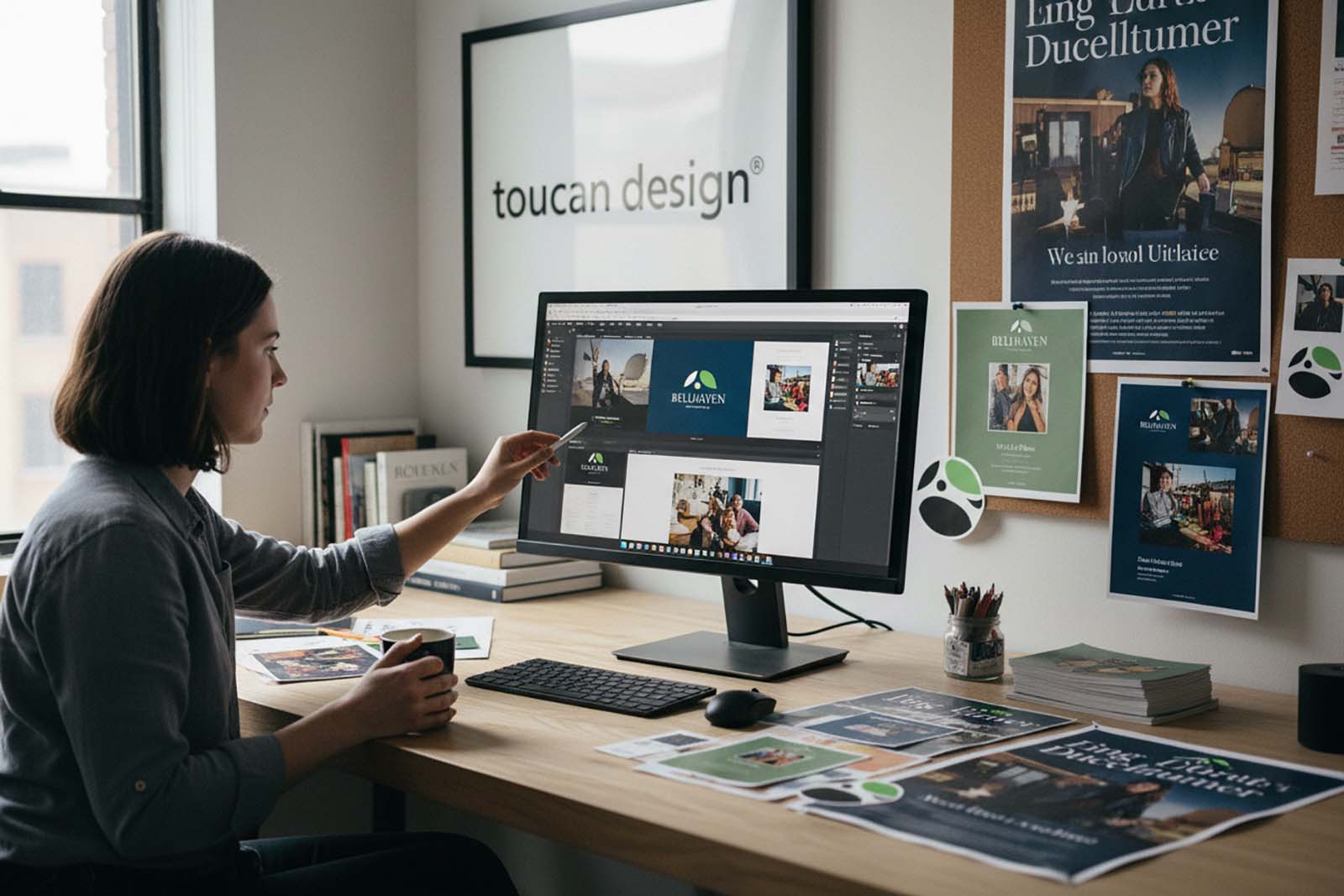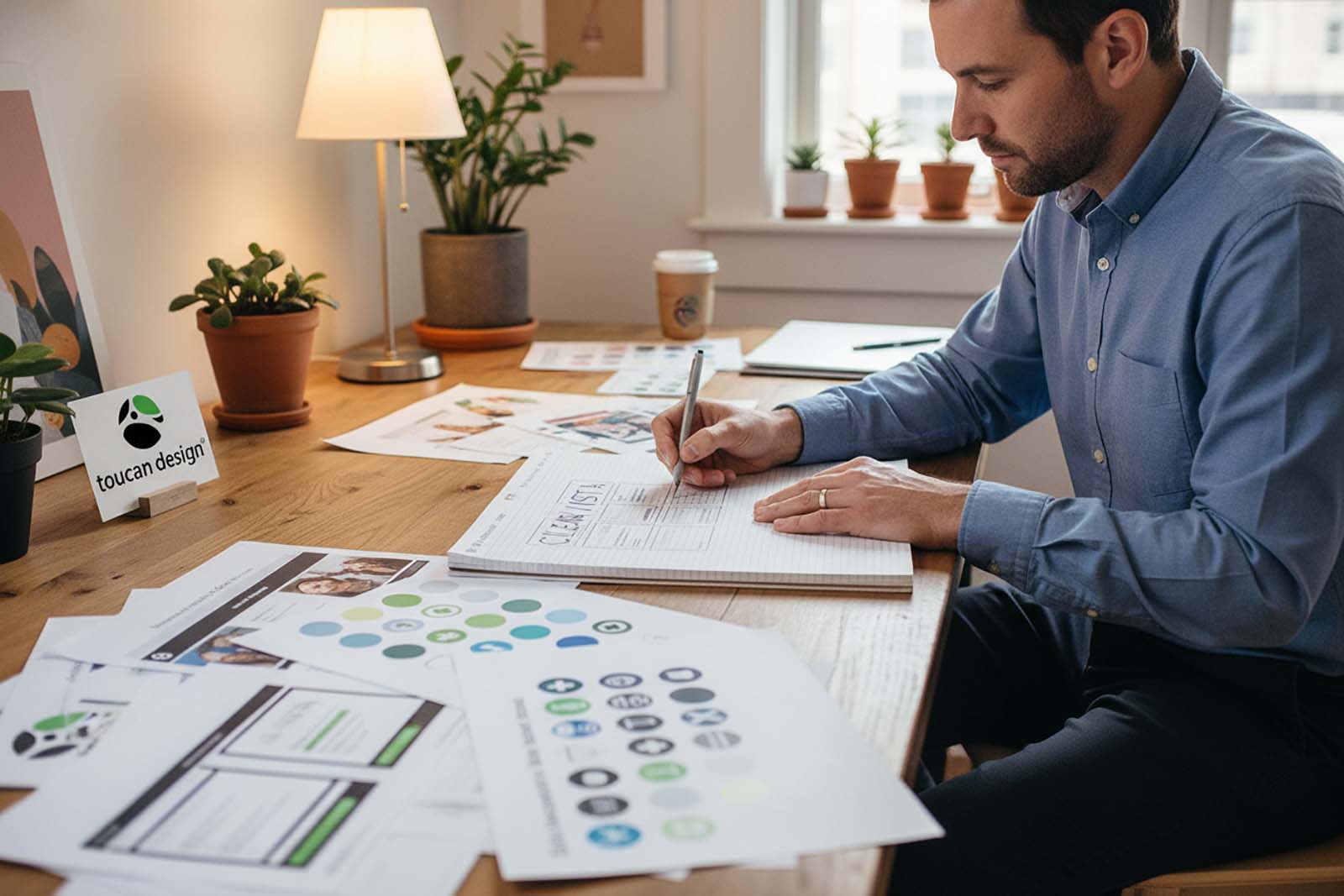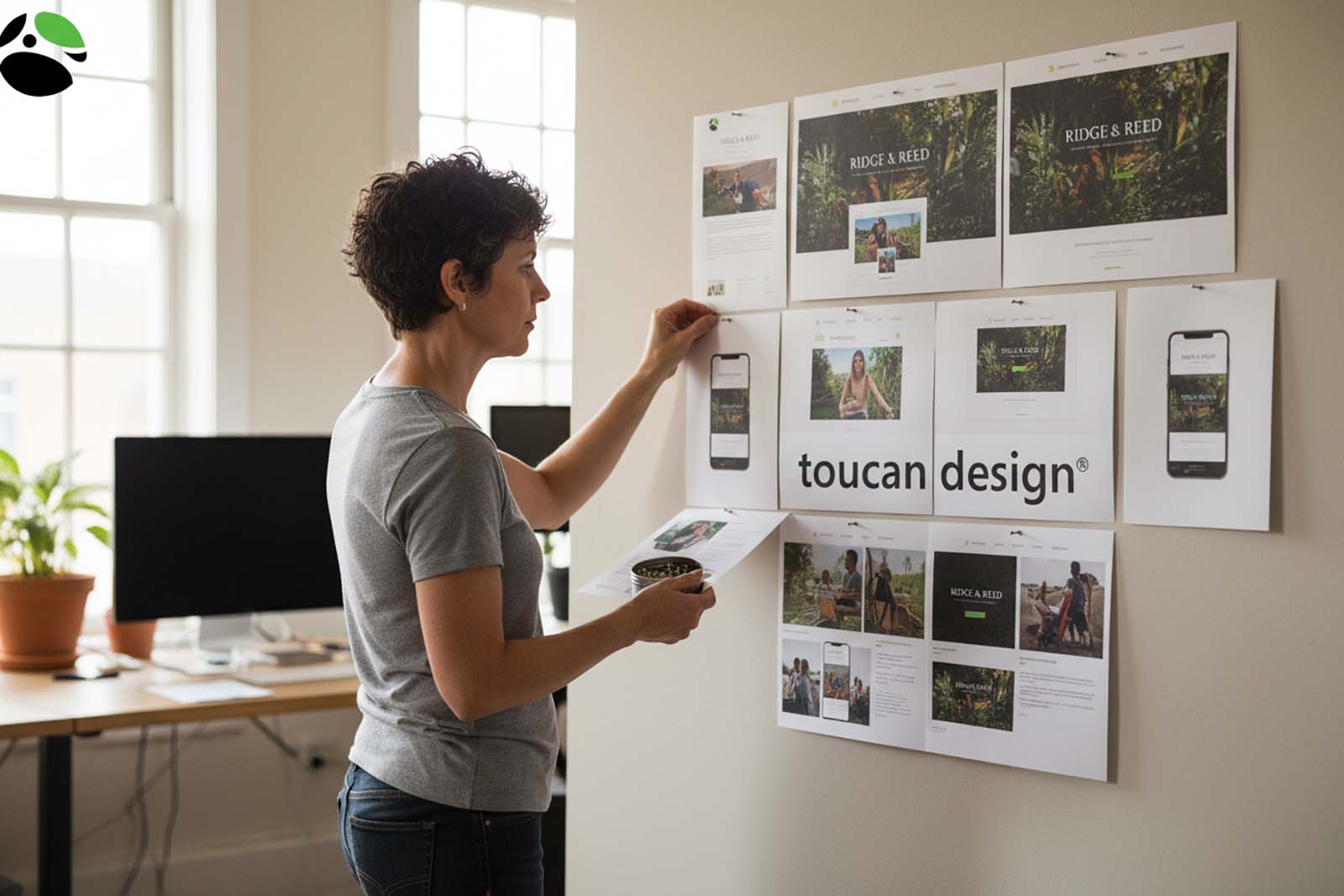
A prospective customer may form an opinion about your business before reading a single sentence. They notice whether the site looks current, whether it is easy to use on a phone, and whether the message answers their immediate question: can this company help me?
That is why web design services are not simply about selecting colors, arranging pages, or installing a template. A business website is a working marketing asset. It should present the organization clearly, support sales conversations, help people find needed information, and give the business a dependable foundation for future marketing.
What web design services should accomplish
A professional website needs to do more than look polished. It must connect your brand, content, technology, and business goals in a way that makes sense to the people you serve. For a manufacturer, that may mean clear product information and quote requests. For a healthcare or wellness practice, it may mean building trust, explaining services, and making appointments easy to request. For a nonprofit or institution, it may mean communicating its mission while helping visitors find programs, resources, or ways to get involved.
The most effective projects begin with questions rather than design preferences. Who needs to use the site? What do they need to know before contacting you? Which services or products drive the business? What information creates confidence? A good design process uses those answers to shape the site structure, page content, visual hierarchy, and calls to action.
Visual quality still matters. Your website should feel consistent with your logo, print materials, advertising, social media, and overall reputation. But visual design has a job to do. It should guide attention to the right information, make pages easier to scan, and help visitors recognize the professionalism of the organization behind the site.
Strategy comes before the homepage
Many website projects stall because the team starts with a homepage mockup before deciding what the website needs to accomplish. A stronger process begins by organizing the content and user paths.
For example, a professional services firm may need a straightforward path from a service page to a consultation request. A restaurant may need visitors to quickly find menus, hours, reservations, and location details. A regional organization with several programs may need navigation that helps different audiences reach the correct section without sorting through irrelevant information.
This planning stage often includes a review of current pages, competitor positioning in the broader market, existing brand materials, customer questions, and technical needs. It also identifies content gaps. If a business receives the same questions by phone each week, the website should usually answer them clearly. That can improve the customer experience while giving staff more time to focus on higher-value conversations.
A thoughtful site map prevents a common problem: cramming every message onto one long page. Some businesses need a compact website with a few focused pages. Others need a larger structure with service pages, industry pages, resource content, case studies, location information, or online catalogs. The right scope depends on the business model, audience, and available content – not a standard page count.
Design that supports credibility and action
Design decisions affect whether visitors stay, read, and reach out. Clear typography, appropriate spacing, readable contrast, and organized page layouts make information easier to absorb. Professional photography, illustrations, or carefully selected imagery can give a site character, but decorative visuals should never bury the message.
The best page layouts establish priorities. Visitors should quickly understand what the business offers, who it serves, and what they should do next. That does not mean every page needs an oversized button or an aggressive sales message. A call to action can be as simple as requesting an estimate, viewing services, calling an office, downloading information, or contacting a department.
Trust signals deserve attention as well. Depending on the organization, these may include years in business, certifications, client testimonials, project examples, affiliations, service areas, staff credentials, or clear contact information. The goal is not to overload a page with claims. It is to provide the practical details that help a prospective customer feel comfortable moving forward.
WordPress development built for practical management
For many organizations, WordPress is a sensible website platform because it supports flexible design and allows designated staff to update routine content without rebuilding the site. A properly developed WordPress website can accommodate service pages, news updates, portfolios, forms, landing pages, and other marketing needs as the business evolves.
However, WordPress is not a set-it-and-forget-it tool. The platform, plugins, hosting environment, backups, security measures, and forms all require periodic attention. A site built with too many plugins or poorly matched tools can become difficult to maintain. On the other hand, an overly customized system can make ordinary updates needlessly complicated.
The right approach balances flexibility with reliability. Website owners should have a manageable way to update essential information, while more significant design, development, SEO, and content changes should be handled with care. Ongoing website maintenance is especially valuable for organizations that rely on their site for leads, appointments, inquiries, or public information.
Search visibility starts with useful structure
SEO is often treated as a separate activity that happens after a new site launches. In practice, website structure and content affect search performance from the start. Search engines need to understand what each page is about, and visitors need pages that answer real questions in plain language.
A well-planned website gives important services their own meaningful pages rather than hiding them in a single general overview. It uses descriptive page titles, logical headings, focused copy, and clear internal organization. It also makes sure that contact details, business information, and key calls to action are easy to find.
Technical quality matters, but SEO is not only technical. A fast, mobile-friendly website with clean coding is helpful, yet it cannot make vague content persuasive. Businesses benefit most when design, content, and search strategy work together. A page should be written for the customer first, then organized so search engines can accurately interpret it.
No responsible agency can promise a specific ranking. Search results are influenced by competition, market demand, site history, content quality, reputation, and many other factors. What a professional team can do is build a stronger foundation for long-term visibility and make sure the website supports the broader marketing effort.
Accessibility and mobile use are business considerations
Most visitors will encounter your site on a mobile device, often while comparing options or looking for a quick answer. Mobile design is not a smaller version of a desktop website. Navigation, text length, tap targets, forms, images, and page hierarchy all need to work well on a smaller screen.
Accessibility deserves the same practical attention. Readable text, meaningful headings, sufficient color contrast, descriptive form labels, and thoughtful navigation improve usability for a wider range of visitors. These details also create a more organized and professional experience for everyone.
Accessibility requirements and needs can vary by organization and audience, particularly for public-facing institutions and organizations serving diverse communities. The useful starting point is simple: do not treat accessibility as an afterthought or a one-time checklist. Build it into planning, design, development, and future updates.
One website, connected marketing materials
A website performs better when it does not carry the entire marketing burden alone. Brand identity, print collateral, email campaigns, social media graphics, advertising, SEO content, and sales materials should reinforce the same core message.
Consider a company introducing a new service. The website needs a focused page explaining the offer, audience, benefits, and next step. The same positioning can shape a brochure, sales sheet, ad campaign, trade show material, email announcement, and social content. When each piece is designed independently, the message can become fragmented. When the pieces are coordinated, prospects receive a clearer and more credible impression.
This is where working with a full-service creative partner can simplify the process. Toucan Design helps businesses bring website design, branding, print, SEO, and marketing materials into a coordinated system rather than treating each deliverable as a separate project.
Choosing a web design partner
The right agency should be interested in your business goals, not just the visual style you prefer. Ask how the team approaches content, mobile design, SEO foundations, accessibility, WordPress development, and post-launch maintenance. Review whether its work shows range across industries while still making each client look distinct.
You should also understand what is included. Website projects can involve discovery, content planning, copywriting, photography coordination, design, development, form setup, testing, staff training, hosting guidance, and maintenance. Not every project needs every service, but clarity at the beginning prevents surprises later.
A website should be built to represent the business you are now and support where you are headed next. When strategy, design, content, and maintenance are handled with equal care, it becomes more than an online brochure. It becomes a dependable part of how your organization communicates, earns trust, and grows.